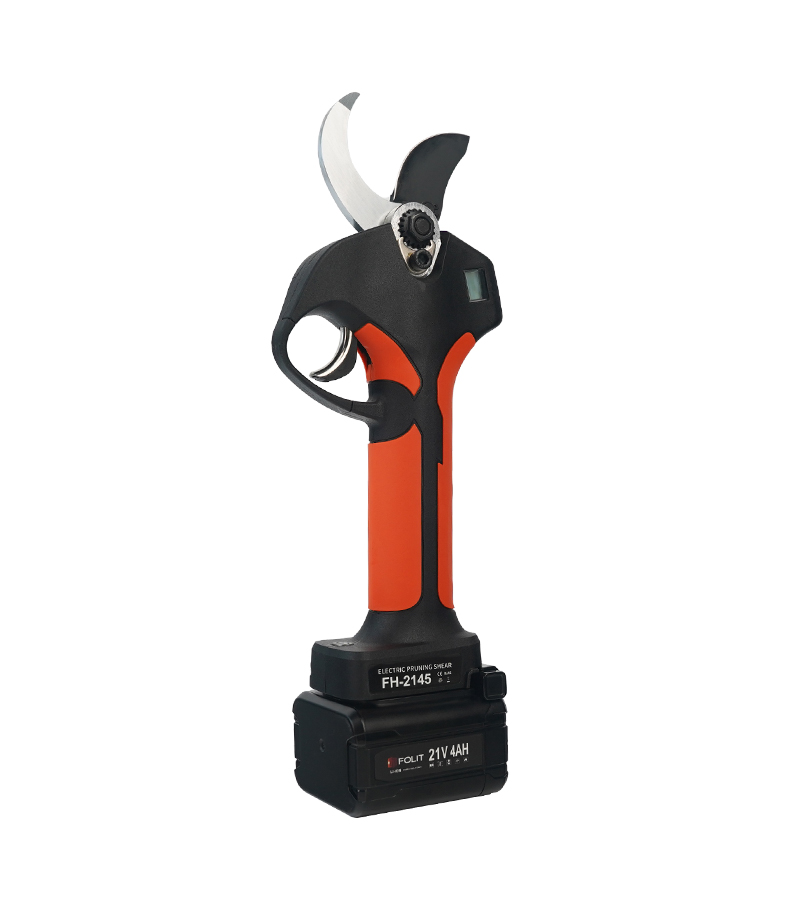
Pruning Smarter and Safer with Cordless Tools
Cordless pruners have transformed modern gardening and landscaping. With powerful motors, long-lasting batteries, and ergonomic designs, they make pruning faster and easier — but safety remains key.
Whether you’re a beginner gardener or a professional operator, following proper safety practices can prevent injuries and extend your tool’s lifespan.

1. Wear Proper Protective Gear
Always start with the basics:
- Gloves to protect your hands from sharp branches and accidental cuts.
- Safety glasses to prevent debris from entering your eyes.
- Long sleeves and closed-toe shoes for overall protection.
✅ Pro Tip: Anti-slip gloves improve grip, especially when working with wet branches.
2. Check the Tool Before Every Use
Inspect your cordless pruner before powering it on:
- Ensure the blade is sharp and clean.
- Verify that the battery is properly locked.
- Check for any loose screws or cracked housing.
🛠️ A quick 30-second check can prevent mechanical failures or accidents later.
3. Mind Your Cutting Angle and Hand Position
Many beginners injure themselves by holding branches incorrectly.
Always:
- Hold branches at least 15 cm away from the blade area.
- Cut at a 45° angle to promote healthy plant regrowth.
- Keep your free hand behind the cutting plane — never in front.
✋ Remember: “Blade forward, hand behind.”
4. Avoid Overloading the Motor
Cordless pruners are powerful, but they have limits. Avoid forcing the blade through oversized or very hard branches.
- Check your pruner’s maximum cutting diameter (e.g., 25mm / 32mm).
- If the blade stalls, release the trigger immediately — don’t push harder.
⚡ Overloading can damage both motor and battery, shortening lifespan.
5. Maintain and Store Properly
After every session:
- Clean blades with alcohol or oil to remove sap and prevent rust.
- Recharge the battery before storage.
- Keep the tool in a dry, dust-free place.
🧰 Regular maintenance ensures smooth operation and safe performance.
Conclusion
Cordless pruners are efficient and safe when used properly. Training your team or learning these safety fundamentals helps reduce downtime, prevent injuries, and keep productivity high.
Safety is not just a precaution — it’s part of professional gardening culture.