Introduction
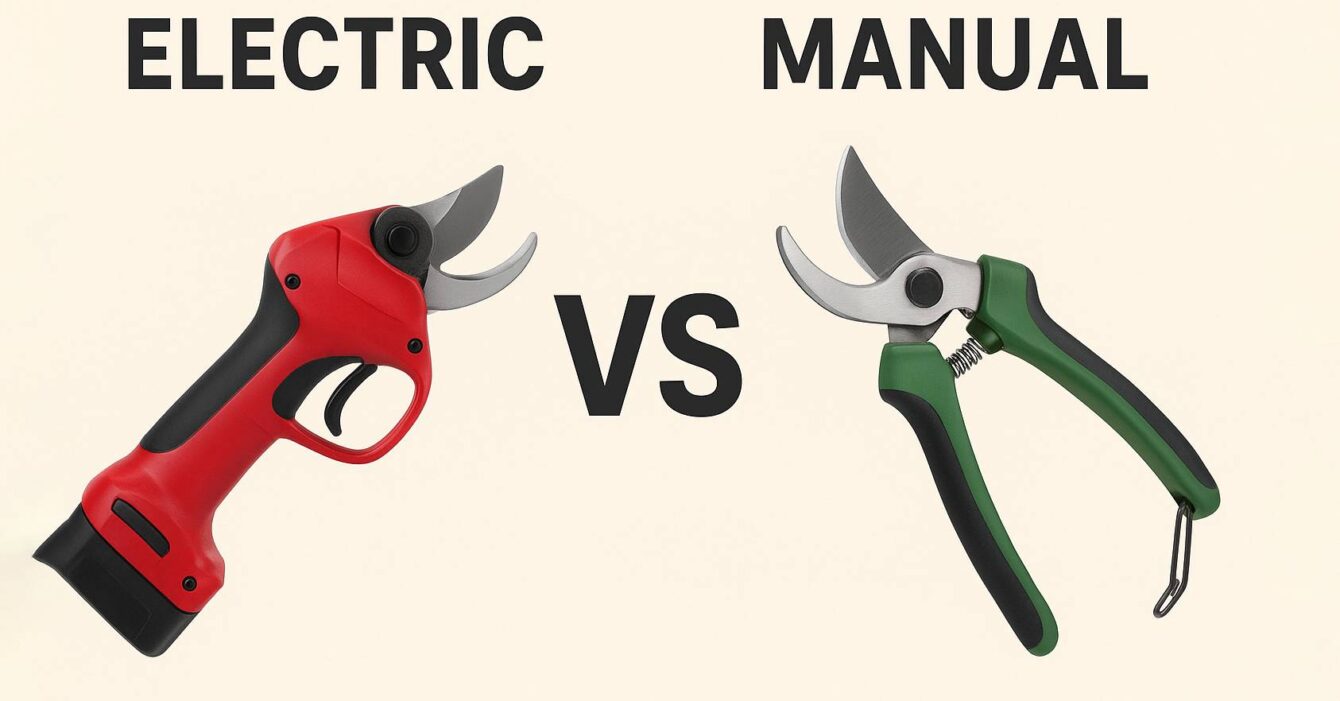
When it comes to gardening, one of the most frequently asked questions is: Should I choose electric secateurs or stick with manual ones? Both tools have their advantages and limitations, and the right choice often depends on your gardening style, workload, and long-term goals. At the same time, gardeners today are paying increasing attention to eco-friendly gardening—making durable, sustainable choices that benefit both plants and the planet.
Electric Secateurs: Pros & Cons
Advantages:
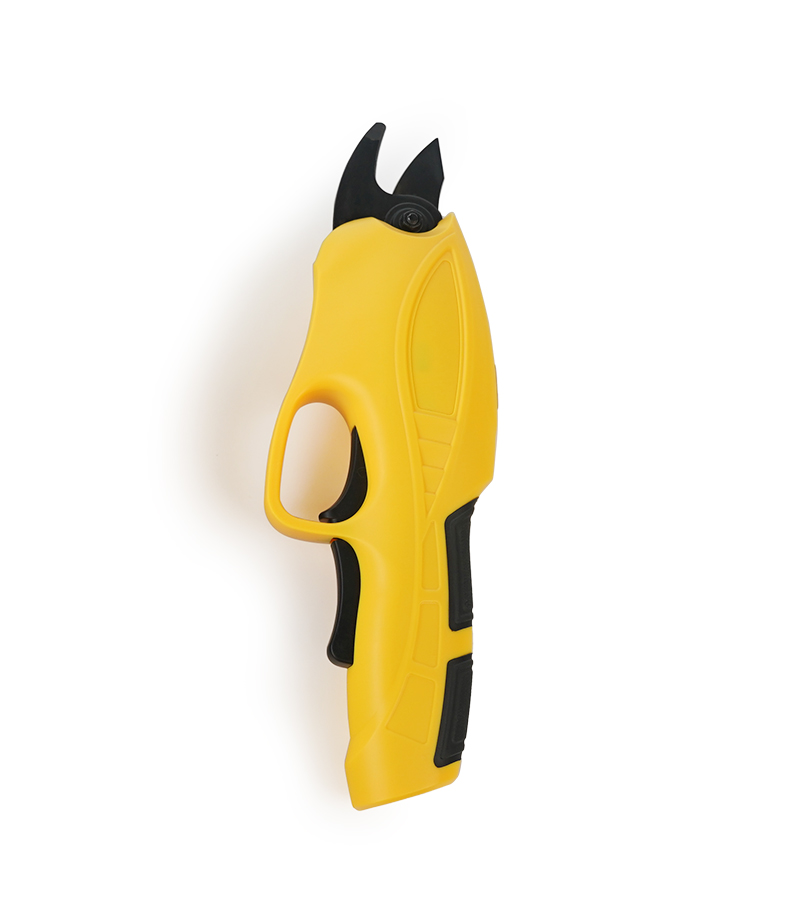
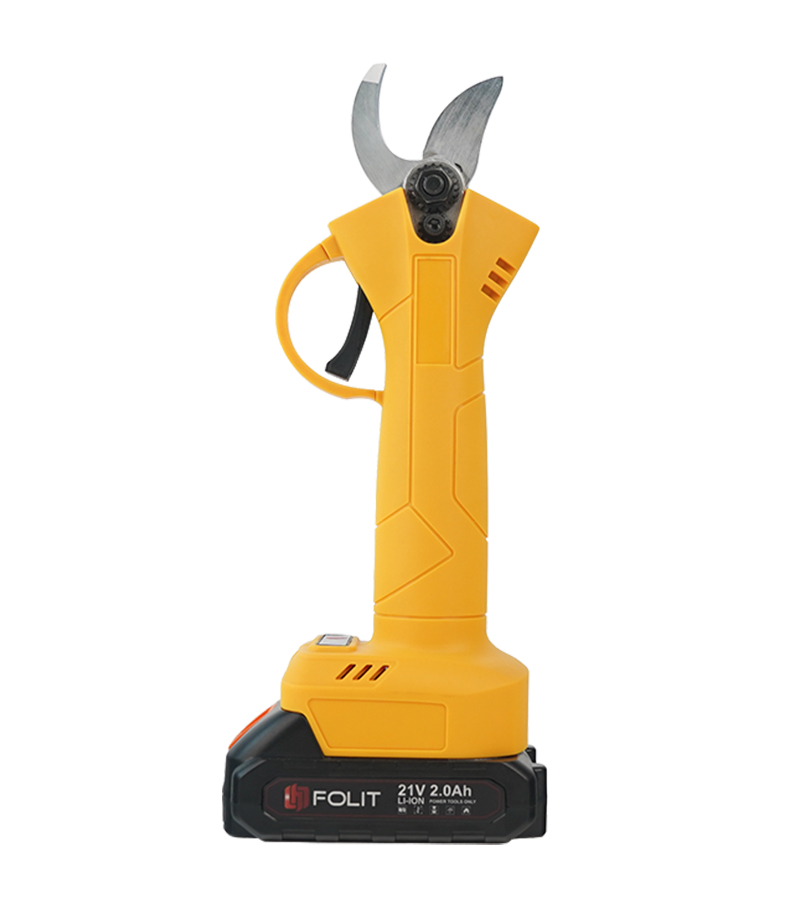
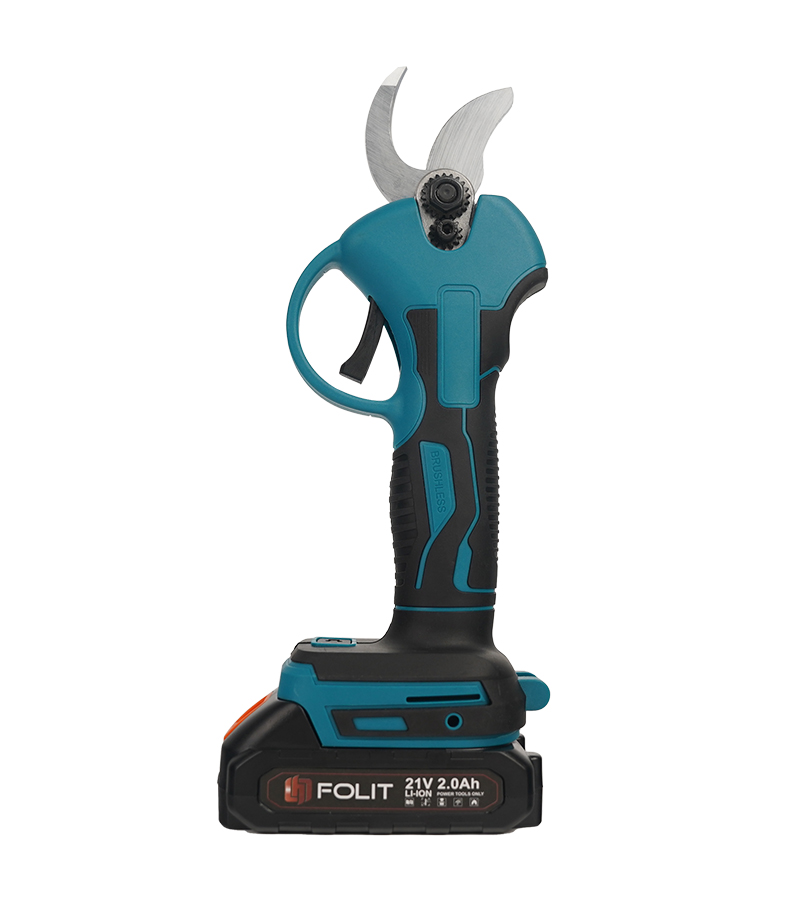
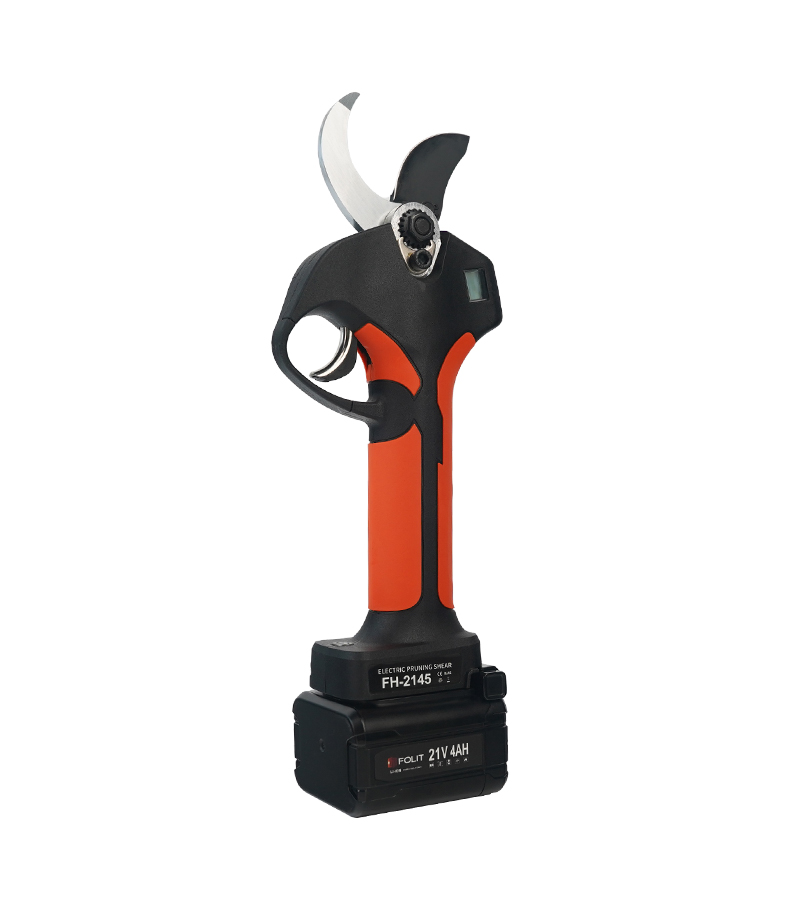
- ✅ Time-Saving & Efficient – Perfect for large gardens, orchards, or professional landscaping.
- ✅ Less Physical Strain – Ideal for gardeners with arthritis, hand fatigue, or frequent heavy pruning.
- ✅ Precision Cutting – Brushless motor technology delivers clean and consistent cuts.
Disadvantages:
- ❌ Higher Initial Cost – More expensive than manual options.
- ❌ Battery Dependency – Requires charging and regular maintenance.
- ❌ Weight – Slightly heavier compared to lightweight manual secateurs.
Best For: Professional landscapers, orchard workers, or gardeners who prune regularly and in volume.
Manual Secateurs: Pros & Cons
Advantages:
- ✅ Affordable & Accessible – Lower price range, easy to buy anywhere.
- ✅ Lightweight & Simple – No batteries or power source required.
- ✅ Eco-Friendly – Zero electricity use, minimal carbon footprint.
Disadvantages:
- ❌ Labor-Intensive – Can cause fatigue during long pruning sessions.
- ❌ Cutting Limitations – Struggles with thicker branches.
- ❌ Inconsistent Performance – Blade sharpness and hand strength affect results.
Best For: Home gardeners, beginners, or anyone with a small garden who prunes occasionally.
Eco-Friendly Gardening: Sustainable Use of Secateurs
In 2025, more gardeners are embracing sustainability in their daily practices. Choosing the right secateurs is not just about convenience—it’s about contributing to greener gardening.
Tips for Eco-Friendly Use:
- Buy Durable Tools – High-quality secateurs last longer, reducing waste.
- Maintain & Repair – Regular cleaning and blade sharpening extend tool lifespan.
- Choose Rechargeable Batteries – For electric models, invest in long-life lithium-ion batteries.
- Select Eco-Conscious Brands – Support manufacturers that prioritize sustainable production and recyclable packaging.
Conclusion
So, electric vs manual secateurs— which is better?
- If you’re pruning regularly, dealing with thick branches, or managing a large garden, electric secateurs will save time and energy.
- If you garden casually, prefer simplicity, or want the most eco-friendly option, manual secateurs are a reliable choice.
Ultimately, the best decision balances your gardening needs with sustainable practices. By choosing wisely and maintaining your tools, you can enjoy a flourishing garden while protecting the environment.