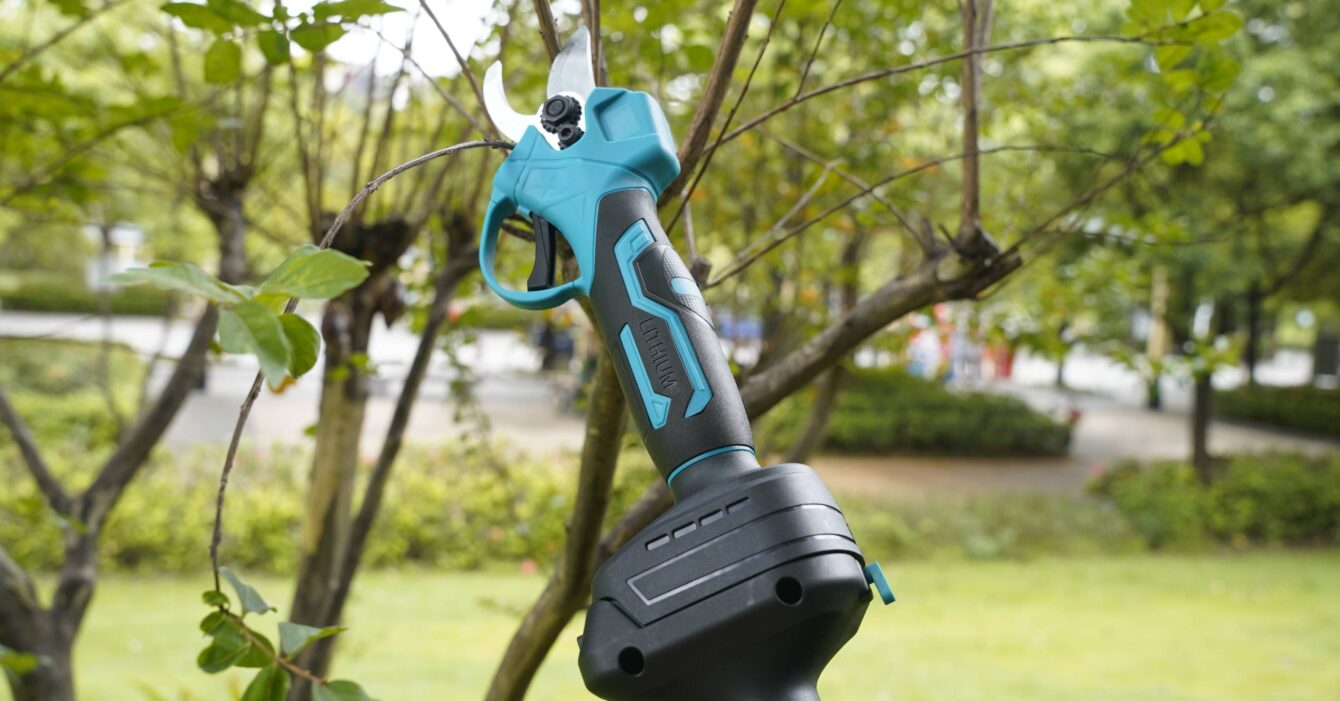
Secateurs Introduction
Secateurs — also known as garden shears or pruning scissors — are essential tools for every gardener. Whether you’re tending to a small balcony garden or managing a large orchard, using the right pruning tools — including both manual secateurs and electric pruning shears — can dramatically improve plant health, enhance flower and fruit yield, and keep your garden neat and vibrant.
In the UK, pruning is a regular task for gardeners. The Royal Horticultural Society (RHS) notes that over 80% of garden plants benefit from seasonal trimming to stimulate growth and prevent disease.
1. Understanding Secateurs and Modern Tools
Before pruning like a pro, it’s important to understand the tools available.
Types of Secateurs
- Bypass Secateurs – Work like scissors, perfect for live stems and soft wood.
- Anvil Secateurs – Designed for dead wood or harder branches.
- Ratchet Secateurs – Reduce hand strain, ideal for people with arthritis or less grip strength.
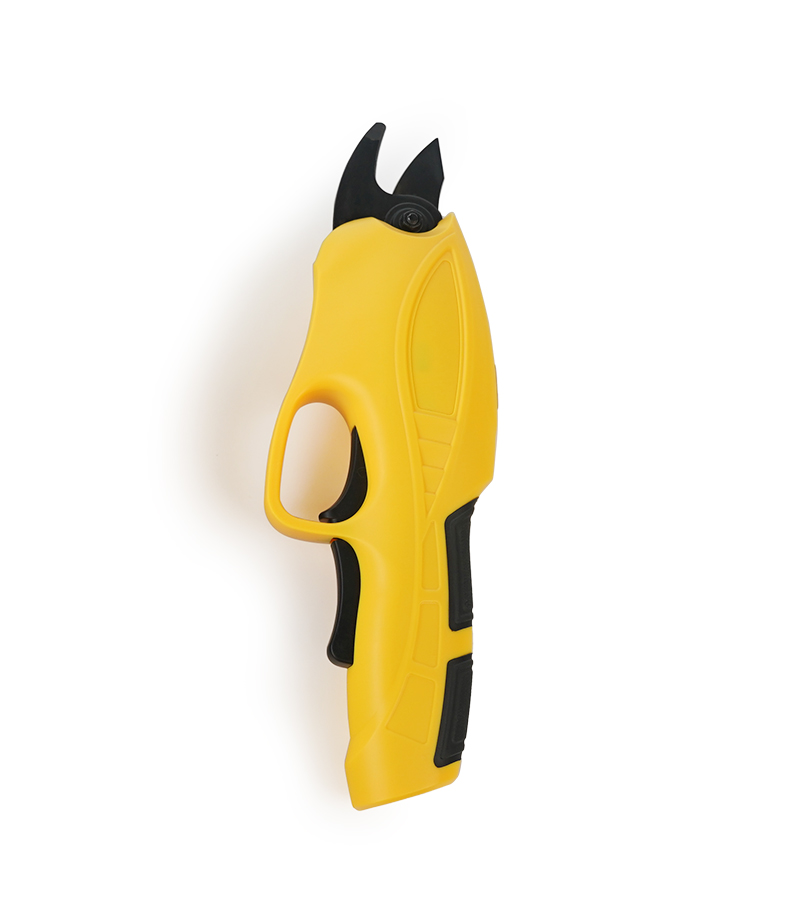
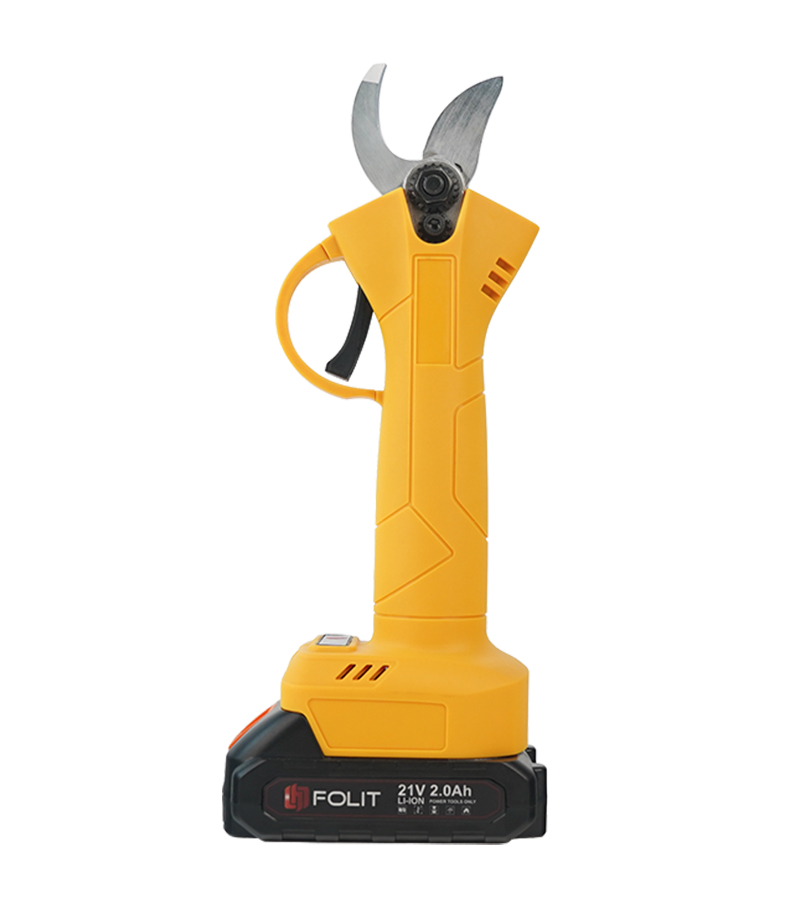
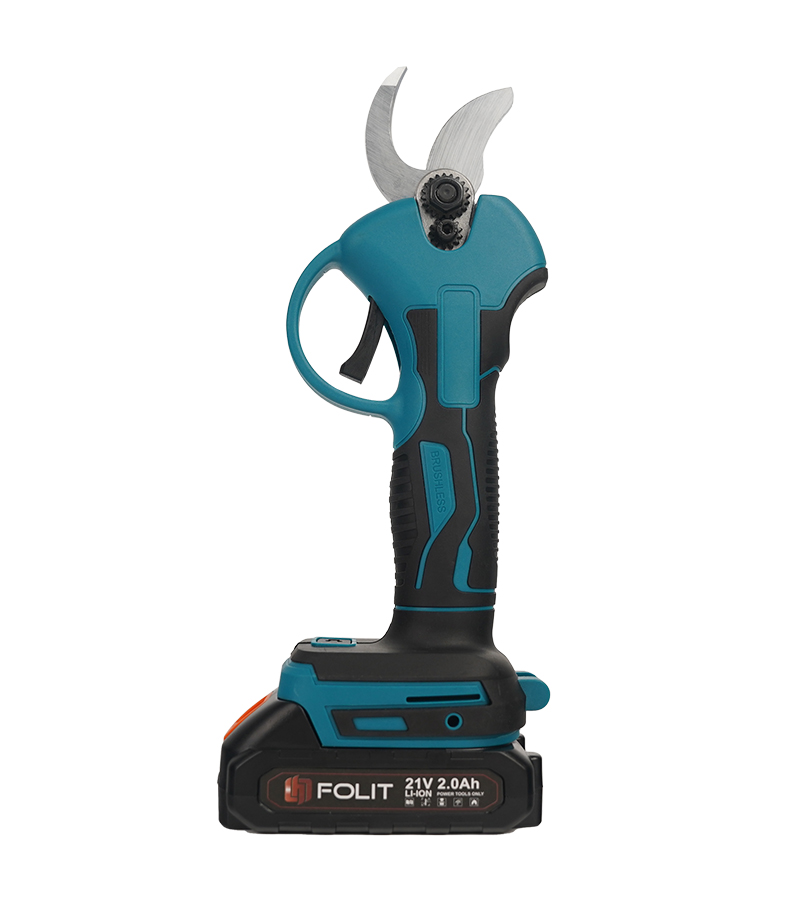
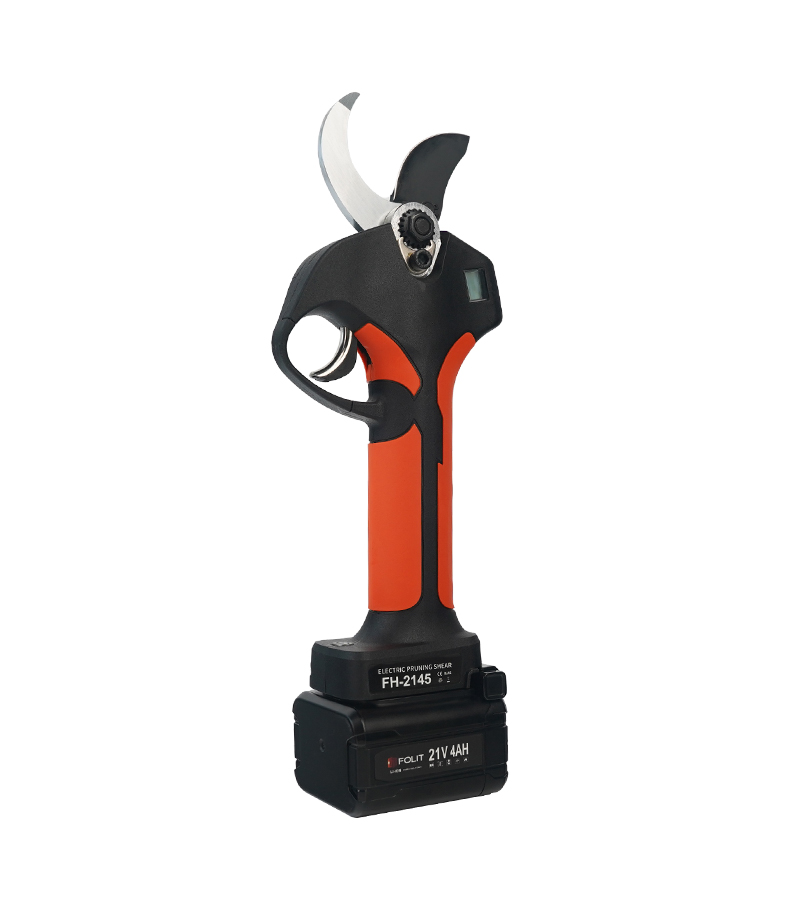
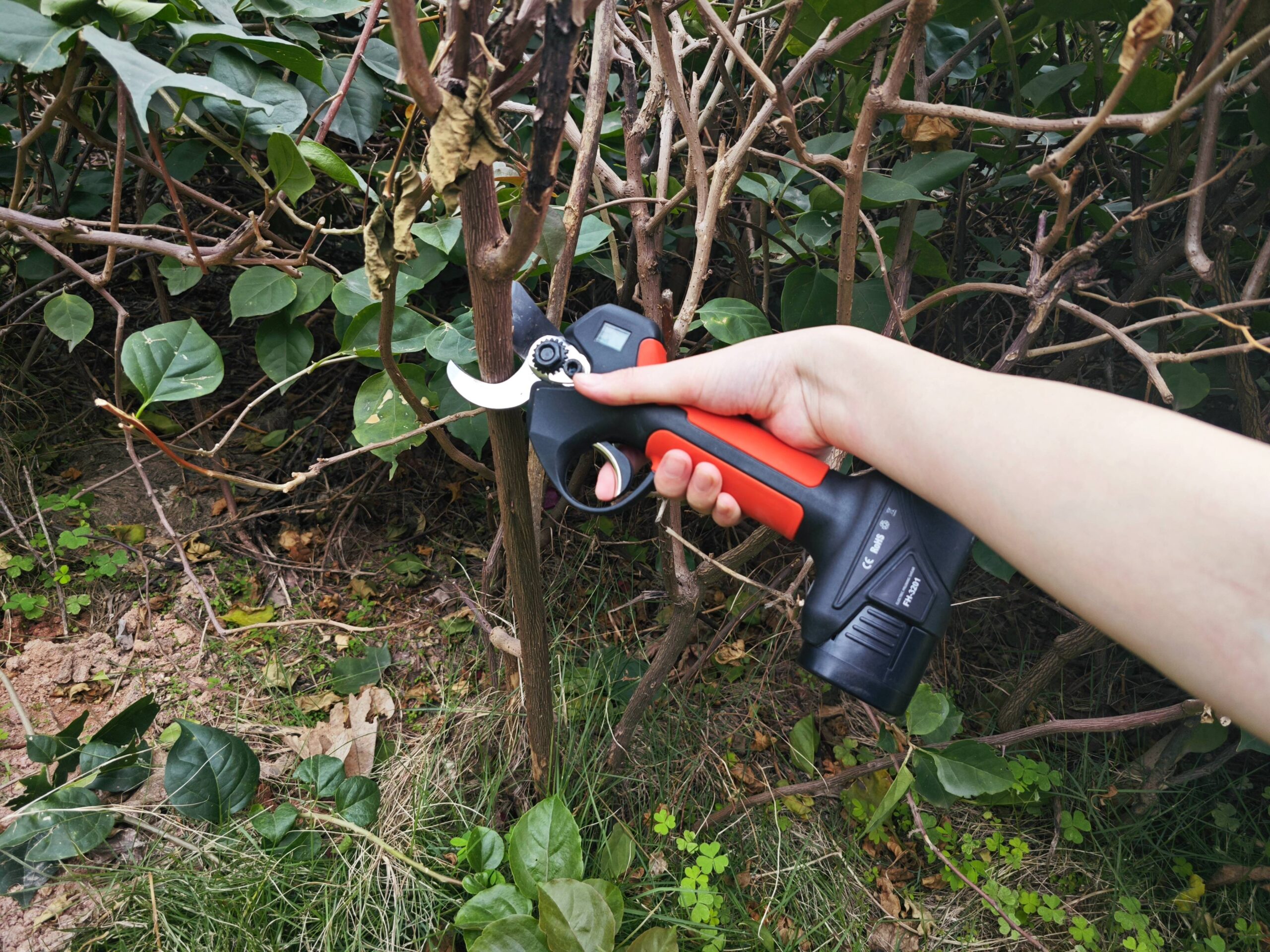
- Electric Pruning Shears – Powered tools that allow fast, clean cuts with less effort, especially for thicker branches or large pruning tasks.
Pro Tip: According to a 2024 Garden Tools Market Survey, bypass secateurs still lead with 65% of UK sales, but electric pruning shears are the fastest-growing segment, up 22% year-on-year, driven by professional landscapers and home gardeners who want efficiency.
2. When to Use Secateurs
Timing is crucial for optimal results. Whether using manual secateurs or electric pruning shears, follow the seasonal guidelines below:
| Plant Type | Best Pruning Season (UK) | Purpose |
|---|---|---|
| Roses | Late winter to early spring | Encourages strong, healthy blooms |
| Fruit Trees (apple, pear) | Winter dormancy | Shapes tree and stimulates bud growth |
| Lavender | Late summer | Prevents woody stems and promotes dense growth |
| Shrubs | After flowering | Maintains shape and health |
Research by RHS indicates that pruning during dormant seasons reduces plant stress by up to 30%, resulting in stronger regrowth the following spring.
3. Step-by-Step Guide: How to Use Secateurs
Step 1: Prepare Your Tools
- Ensure your secateurs — manual or electric — are sharp, clean, and well-lubricated.
- Disinfect blades using an alcohol-based solution or diluted bleach to prevent disease spread.
Step 2: Identify What to Prune
- Remove dead, diseased, or damaged stems.
- Thin congested branches to improve airflow and reduce fungal risks.
- Cut crossing stems to avoid bark injuries that hinder growth.
Step 3: Make the Right Cut
- Angle: Cut at a 45-degree angle, sloping away from the bud to encourage water runoff.
- Distance: Leave 5–10 mm above an outward-facing bud for healthy regrowth.
- Electric Tip: Electric pruning shears are excellent for precision cuts on medium or thick branches, reducing fatigue and ensuring clean, smooth cuts.
Step 4: Work Systematically
- Start from the top and work your way down.
- Pause to step back regularly and review the shape of the plant.
- Use electric shears for larger jobs, like orchard pruning, to save time and energy.
Step 5: Aftercare
- Water plants after heavy pruning to reduce stress.
- Apply a slow-release, balanced fertilizer for faster recovery.
Data Insight: An RHS study in 2023 found that plants pruned with clean, sharp blades — manual or electric — had 40% fewer infections than those pruned with dull or dirty tools.
4. Safety Tips
- Always wear gloves and protective eyewear.
- For electric pruning shears, keep fingers away from the blade and follow the manufacturer’s safety instructions.
- For branches over 2.5 cm in diameter, use loppers or a pruning saw.
5. Common Mistakes to Avoid
- Over-pruning: Removing too much foliage can shock plants.
- Wrong timing: Especially harmful for fruiting trees and perennials.
- Blunt tools: Torn stems increase the risk of infection.
- Over-reliance on power tools: Electric shears are efficient but still require proper technique.
6. Maintaining Your Tools
Keeping your tools in top shape ensures effective and safe pruning:
- Clean after each session to remove sap and debris.
- Sharpen blades monthly during peak gardening season.
- Apply light oil to prevent rust on manual and electric blades alike.
- Recharge electric shears after each use to keep them ready for your next pruning job.
Stat: Proper maintenance can extend the life of quality pruning tools — manual or electric — by 5–7 years, according to the 2022 UK Gardening Equipment Report.
7. Manual vs. Electric Secateurs: Which Should You Choose?
| Feature | Manual Secateurs | Electric Pruning Shears |
|---|---|---|
| Best For | Light pruning, precision work | Heavy-duty tasks, large gardens, orchards |
| Effort Level | Moderate | Low |
| Speed | Average | Fast |
| Price | £15–£50 | £60–£300 |
| Learning Curve | Easy | Slightly higher but user-friendly |
Recommendation: For small gardens, manual secateurs are sufficient. For frequent or heavy pruning tasks, electric pruning shears save significant time and energy.
Conclusion
Pruning is an essential gardening skill, and with the right approach, both manual secateurs and electric pruning shears can help you maintain a healthy, productive garden. Whether you’re shaping roses, thinning fruit trees, or tidying shrubs, sharp, clean tools and proper timing are the keys to success.