Introduction
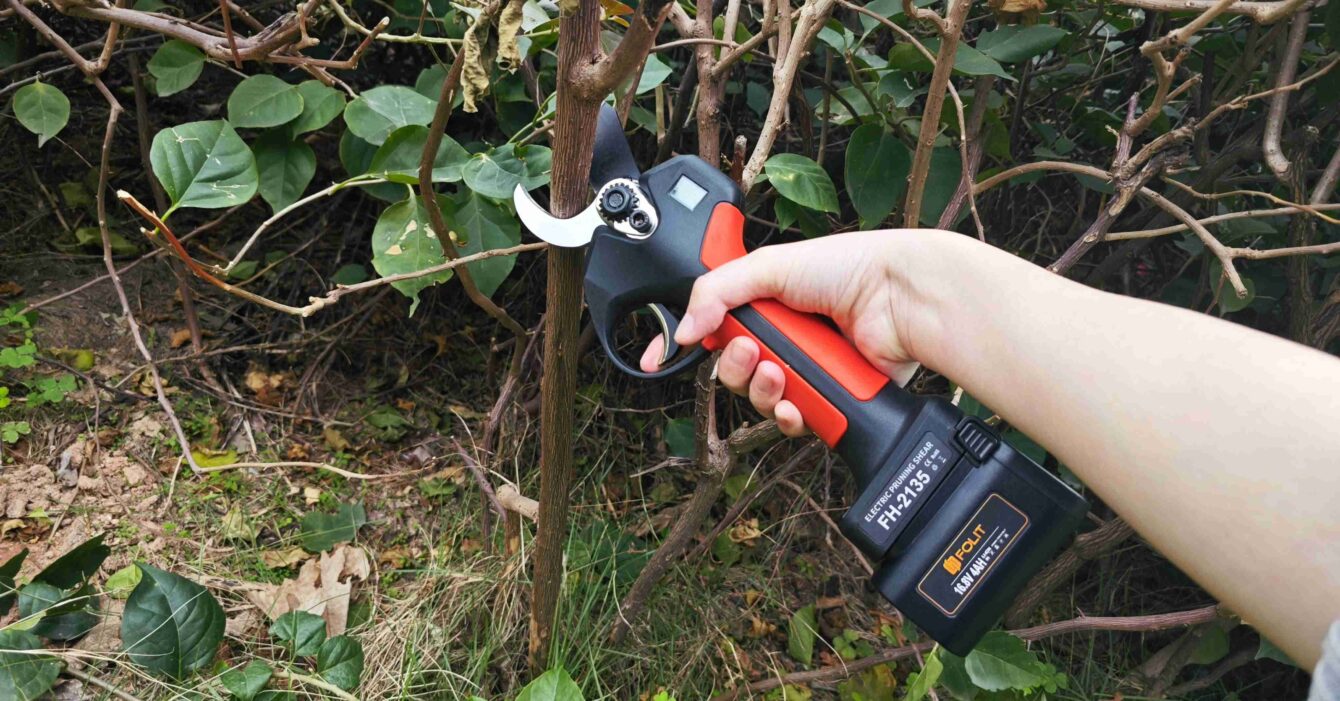
Electric secateurs are becoming an essential tool in modern gardening, vineyards, and orchards. They save time, reduce hand fatigue, and improve pruning efficiency. However, many users unknowingly make mistakes that reduce tool performance, damage plants, or shorten product lifespan.
In this guide, we highlight the 10 most common mistakes when using electric secateurs — and provide practical solutions to help you prune like a professional.
1. Over-Pruning (Cutting Too Much at Once)
Mistake: Cutting large or thick branches beyond the recommended capacity of the secateurs.
Consequence: Overloads the motor, reduces battery life, and risks damaging the blades.
Solution: Always check the manufacturer’s cutting diameter limit (e.g., 25mm). For larger branches, switch to an electric chainsaw or manual lopper.
2. Ignoring Regular Maintenance
Mistake: Using secateurs continuously without cleaning or lubricating.
Consequence: Sap buildup, dull blades, and reduced cutting efficiency.
Solution: After each use, clean blades with alcohol, remove plant residue, and apply lubricating oil. Schedule monthly deep maintenance.
3. Wrong Cutting Angle
Mistake: Holding the secateurs at a flat or uneven angle.
Consequence: Causes plant wounds to heal poorly, increasing risk of infection.
Solution: Cut at a 45° angle away from the bud to encourage healthy regrowth and prevent water accumulation.
4. Neglecting Blade Sharpening
Mistake: Continuing to use dull blades.
Consequence: Leads to rough cuts, plant stress, and excessive battery drain.
Solution: Sharpen blades regularly with a diamond file or replace them if worn.
5. Using the Wrong Speed or Mode
Mistake: Using maximum cutting power for all branches.
Consequence: Wastes battery and increases motor wear.
Solution: Use the adjustable cutting mode (if available) — low speed for soft branches, high power for thicker wood.
6. Poor Battery Management
Mistake: Letting the battery completely discharge or overcharging it.
Consequence: Reduces battery lifespan significantly.
Solution: Recharge when the battery reaches around 20–30%, and disconnect once fully charged. Store in a cool, dry place.
7. Ignoring Safety Precautions
Mistake: Operating without gloves, eye protection, or using near other people.
Consequence: Risk of accidental cuts or injuries.
Solution: Always wear protective gear, and never point the tool toward yourself or others.
8. Using in Wet Conditions
Mistake: Pruning during rain or when plants are wet.
Consequence: Risks short-circuiting the tool and increasing rust.
Solution: Only operate in dry conditions. If moisture exposure occurs, dry the tool immediately.
9. Wrong Tool for the Job
Mistake: Expecting secateurs to replace all pruning tools.
Consequence: Motor overload and frequent breakdowns.
Solution: Use secateurs for twigs and medium branches, hedge trimmers for shrubs, and chainsaws for thick wood.
10. Storing Carelessly
Mistake: Leaving secateurs in damp sheds or under direct sunlight.
Consequence: Battery degradation, rust, and reduced tool lifespan.
Solution: Store in a case or toolbox, away from extreme temperatures and moisture.

Conclusion
Electric secateurs are a game-changer for gardeners, vineyard managers, and orchard workers. By avoiding these 10 common mistakes, you can:
- Extend the lifespan of your tool
- Achieve cleaner, healthier cuts
- Save time and energy during pruning season
👉 Whether you are a home gardener or a professional, mastering proper use and care of your electric secateurs ensures maximum productivity and long-term performance.